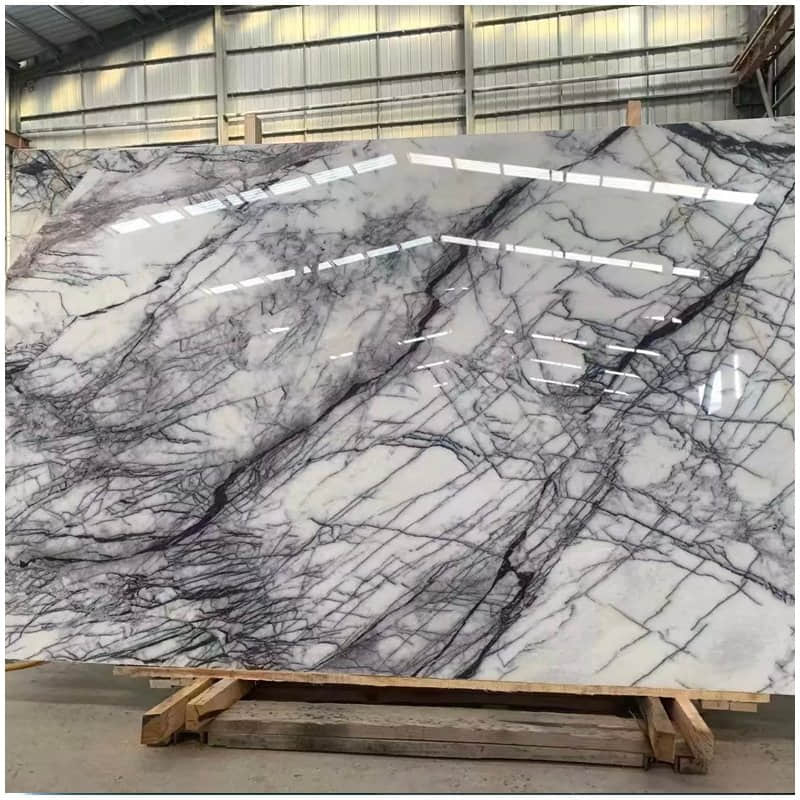
Choosing between natural stone vs quartz is a decision between geological artistry and consistent technical performance. For B2B buyers, this choice impacts maintenance cycles, warranty liabilities, and aesthetic requirements.
The Geological Reality of Natural Stone vs. Manufactured Consistency
Natural stone like Arabescato White or Tundra Grey offers unique mineral veins. Engineered quartz, such as the Summerly Quartz series, is composed of roughly 90-93% crushed quartz crystals bound with polyester resins.
Natural Stone vs Quartz: Maintenance and Durability Comparison
Engineered quartz is non-porous and food-safe. Natural marble is porous and susceptible to acid etching.
| Property | Natural Marble / Granite | Summerly Engineered Quartz |
|---|---|---|
| Porosity | Porous; requires sealing | Non-porous; maintenance-free |
| Hardness (Mohs) | 3-4 (Marble) to 6-7 (Granite) | 6.5 - 7 |
| Heat Resistance | High (handles hot pans well) | Moderate (resin may discolor) |
| Warranty | Varies by supplier; no stain warranty | 15-year limited residential/commercial |
Procurement Considerations: MOQ and Lead Times
Natural stone requires dry-lay inspection at the factory to ensure veining continuity. Engineered quartz offers predictable lead times and guaranteed color match. The 15-year warranty provides liability protection.
Application Zones for Optimal Performance
Natural stone suits exterior facades. Engineered quartz is restricted to indoor applications as resins degrade under UV. For outdoor paving, natural granite or limestone remains the standard.
Frequently Asked Questions
Is natural quartzite the same as engineered quartz?
No. Natural quartzite is metamorphic rock that must be sealed. Engineered quartz is man-made.
Can I use engineered quartz for outdoor BBQ areas?
Not recommended. UV exposure breaks down the resin. Natural granite like China Green is better.
Why does marble cost more to install than quartz?
Marble requires more skilled labor for book-matching and post-installation sealing.
Which material has a better ROI for rental properties?
Engineered quartz. Its resistance to stains and scratches reduces maintenance costs between tenants.
If your project requires tonal consistency across 100+ kitchens, engineered quartz is the only reliable specification.


