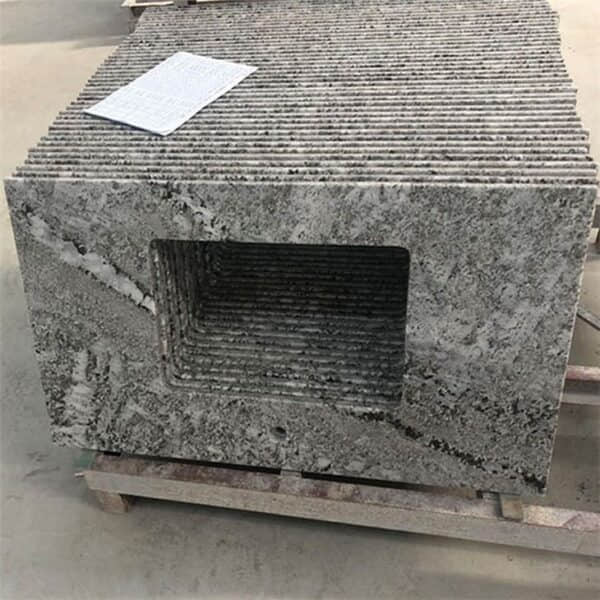
Specifying stone bathroom quartz vanity top for multi-family residential developments, boutique hotel fit-outs, and commercial hospitality projects requires balancing water immersion resistance, cosmetic chemical tolerance, maintenance demands, pre-fabricated dimensional standardization, and material cost per unit. Unlike kitchen countertops subjected to hot cookware impact, bath vanity tops face daily exposure to soapy water, toothpaste, acidic cosmetics, hair dyes, and standing humidity.
This technical buyer guide evaluates vanity top material options—natural marble, engineered quartz, natural granite, and quartzite—detailing pre-fabricated imperial dimensions, sink cutout configurations, edge profiles, faucet hole drilling standards, stain sealing schedules, and export crating logistics for commercial procurement managers.
Understanding these material parameters enables developers and purchasing managers to select vanity materials that optimize project budgets while minimizing post-handover warranty claims caused by liquid staining or edge chipping.
Multi-Material Performance Matrix for Bath Vanities
Evaluating material characteristics across key bathroom performance criteria clarifies specification choices for commercial projects:
1. Natural Marble Vanity Tops
Marble delivers classic luxury aesthetics with soft linear veining and a cool surface tactile feel. However, marble is composed of calcium carbonate, making it vulnerable to acid etching from fruit acid cleansers, perfumed soaps, and acidic cosmetics. Specifying a factory-sealed Carrara marble vanity top provides timeless hotel elegance, provided maintenance teams execute annual impregnating sealer re-applications.
2. Engineered Quartz Vanity Tops
Engineered quartz is non-porous (water absorption rate under 0.05% by weight) and manufactured with 93% quartz aggregates and 7% polymer resin binders. Quartz resists cosmetics, toothpaste, and hair dyes without requiring sealing. Specifying a stain-proof white quartz vanity top is the primary choice for high-traffic student housing and multi-family rental projects where tenant maintenance cannot be guaranteed.
3. Natural Granite Vanity Tops
Granite features high scratch hardness (Mohs 6 to 7) and low porosity (absorption under 0.25%). Dark granites absorb minimal moisture and hide water spots effortlessly. Commercial buyers frequently select a durable granite vanity top for high-use commercial restrooms, extended-stay hotels, and public facilities.
4. Natural Quartzite Vanity Tops
Natural quartzite combines the marble-like visual beauty of sweeping veins with the extreme hardness and chemical immunity of granite, offering an ultra-premium option for luxury suite bathrooms.
When specifying stone vanity tops for high-moisture bath environments, project managers must evaluate water absorption and chemical resistance ratings under ASTM C97. Natural calcitic marbles require penetrating silane-siloxane impregnating sealers to prevent water staining around faucet bases. Engineered quartz and dark granites provide non-porous surfaces that resist staining from alcohol-based hairsprays, perfume oils, and medicinal liquids without requiring frequent resealing.
Integrated Stone Sink Bowls vs. Undermount Porcelain Basins
Commercial vanity specification frequently evaluates integrated stone sinks (where the sink bowl is carved or mitered from the same stone slab) versus traditional undermount vitreous china basins.
Integrated stone sinks deliver a striking monolithic aesthetic, popular in luxury boutique hotels. However, integrated square stone sinks feature internal horizontal seams that require hand cleaning to prevent soapy residue buildup. Undermount porcelain basins offer smooth curved interiors that resist soap scum and simplify daily housekeeping in high-occupancy hotels.
Standard Pre-Fabricated Dimensions and Layout Specs
Commercial vanity top procurement relies on standardized imperial dimensions to fit factory cabinet carcasses:
1. Standard Widths and Depths
Pre-fabricated vanity tops are produced in standard widths of 25 inch (single sink powder room), 31 inch, 37 inch, 49 inch, and 61 inch (double sink layout). Standard commercial counter depth is 22 inches (558mm), matching standard 21-inch deep vanity cabinets with a 1-inch front overhang.
2. Slab Thickness and Laminated Front Edges
Vanity tops are fabricated from 2cm (3/4 inch) or 3cm (1-1/4 inch) slabs. 2cm slabs are commonly specified with a 40mm (1-1/2 inch) laminated drop-miter front apron to create a heavy monolithic appearance while minimizing total freight weight.
3. Backsplash and Sidesplash Configurations
Pre-fabricated packages include a 4-inch (100mm) high loose backsplash shipped in the same crate. Side splashes are specified separately for corner cabinet installations to protect adjacent drywall from water spray.
Sink Cutouts and Faucet Hole Standardization
Pre-drilling sink cutouts and faucet mounting holes at the factory reduces jobsite labor cost by over 50%:
- Undermount Oval and Rectangular Cutouts: The industry standard for commercial hospitality. Factories CNC-mill polished sink cutout edges with a 10mm top rim reveal or flush fit, gluing stainless steel sink mounting clips onto the underside of the stone.
- Vessel Sink Drills: Requires a simple 45mm center drain hole drill without perimeter sink cutouts.
- Faucet Hole Patterns: Pre-drilled with 35mm diameter holes configured for Single Hole, 4-inch Centerset, or 8-inch Widespread faucet fixtures.
Plumbing Clearance and Pre-Drilled Faucet Spacing
Ensuring proper plumbing alignment on multi-unit hotel projects requires strict coordination between vanity top fabrication drawings and rough-in plumbing dimensions. Pre-drilled faucet holes must maintain a 63mm (2.5-inch) center distance from the rear edge of the undermount sink cutout to allow standard pop-up drain rod operation.
Additionally, vanity side aprons must provide a minimum 75mm internal clearance to prevent interference with cabinet drawer slides and water supply stop valves.
Quality Control, Sealing, and Maintenance Rules
Reviewing a detailed marble vanity deep-dive highlights essential quality control procedures for commercial vanity contracts:
1. Factory Pre-Sealing
All natural marble and granite vanity tops must receive a six-sided factory application of deep-penetrating fluoropolymer impregnating sealer prior to crate packing, preventing water absorption during transit and installation.
2. Calibrated Thickness Tolerance
Thickness tolerance across batch orders must stay within ±1.0mm to ensure seamless horizontal alignment when installing multi-unit hotel rows.
Hotel Hospitality Procurement and Replacement Warranty Protocols
Procuring stone vanity tops for high-occupancy hotels requires establishing clear warranty protocols with factory suppliers. Specifiers should mandate that factory crates include a 5% buffer stock of matching pre-cut backsplashes and un-drilled side aprons from the same quarry block. Having matching spare components on site allows hotel maintenance teams to replace chipped side splashes or damaged counter aprons within hours without waiting for overseas replacement shipments.
Export Packaging and Logistics Optimization
Vanity tops are fragile units containing thin sink cutouts. Factories pack tops vertically in heavy-duty ISPM-15 heat-treated wooden crates with individual styrofoam slots separating each top. A standard 20ft container holds 300 to 450 pre-fabricated vanity top sets depending on width and thickness.
Frequently Asked Questions
Is engineered quartz better than natural marble for hotel bath vanities?
Engineered quartz is non-porous and immune to makeup stains, hair dye, and acidic soap etching, making it lower maintenance for high-turnover hotel rooms. Natural marble offers authentic luxury veining but requires regular sealing and careful maintenance.
What is the standard backsplash height for bathroom vanity tops?
The standard commercial backsplash height is 4 inches (100mm), fabricated in 2cm thickness with a polished top chamfer edge to match the main vanity deck.
How do you prevent water staining around undermount vanity sinks?
Apply a continuous bead of 100% neutral-cure silicone sealant along the sink rim during installation and re-seal the surrounding natural stone annually with a breathable fluoropolymer sealer.
Can broken vanity tops be repaired on site?
Minor edge chips can be filled and buffed on site using color-matched liquid epoxy resin. Hairline cracks across sink cutouts cannot be structurally repaired and require slab replacement.


