
يتطلب تحديد مواصفات مشروع حمام من الحجر الطبيعي نهجًا تقنيًا دقيقًا يوازن بين المتطلبات الجمالية ومعايير السلامة ومتانة المواد. وأكثر العوامل أهمية في تحديد مواصفات الحمام الاحترافية هو تصنيف مقاومة الانزلاق، الذي يُقاس عادة بقيمة R أو قيمة P، وهو ما يحدد ملاءمة المادة للمناطق عالية الرطوبة مثل الدشات المفتوحة وأرضيات المنتجعات الصحية.
كيفية تحديد مقاومة الانزلاق لحمام من الحجر الطبيعي
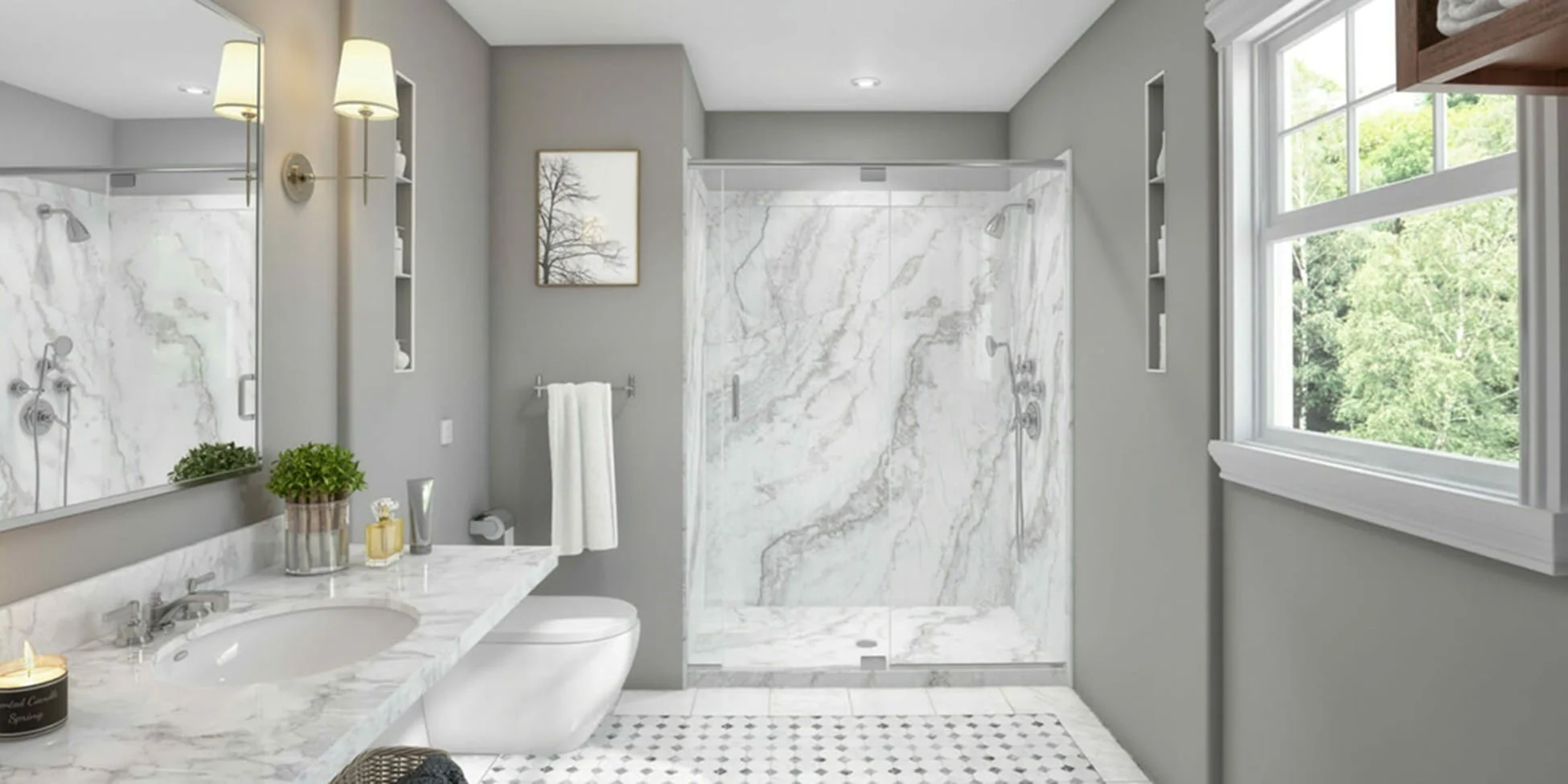
في تصميم الحمامات التجارية والفاخرة السكنية، يُعد احتكاك السطح مقياس السلامة الأساسي. بينما يوفر الرخام المصقول عالي اللمعان تشطيبًا يشبه المرآة ومثاليًا لتكسية الجدران، فإنه يحمل عادةً تصنيف مقاومة انزلاق R9، مما يجعله خطيرًا محتملاً على أرضيات الدش عند البلل. بالنسبة للمشتريات بين الشركات (B2B)، يُعد تحديد تشطيب مصقول غير لامع (مات) أو ممسوح أو منفوخ بالرمل أمرًا قياسيًا للأرضيات. تعمل هذه المعالجات السطحية الميكانيكية على زيادة معامل الاحتكاك الديناميكي (DCOF)، لترفع أداء الحجر إلى R10 أو R11. على عكس رخام كالاكاتا المصقول، يوفر حجر تندرا غراي المصقول غير اللامع أو الحجر الجيري الممسوح الجر اللازم الذي تتطلبه قوانين البناء الدولية للمناطق الرطبة التي تُستخدم حافية الأقدام.
| نوع التشطيب | تصنيف الانزلاق القياسي | الخاصية التقنية | منطقة الحمام الموصى بها |
|---|---|---|---|
| مصقول | R9 | انعكاس عالي للضوء، مستوى لمعان 68 درجة | الجدران العمودية، الزخارف الجمالية |
| مصقول غير لامع (مات) | R10 | ناعم كالساتان، غير عاكس، ملموس | أرضيات الحمامات العامة، الأحواض |
| ممسوح / مُعالج بالحمض | R11 | سطح محبب، احتكاك عالٍ | أرضيات الدش، غرف البخار، مناطق المنتجعات الصحية |
| مُدحرَج (مُقلّم) | R11+ | مظهر قديم، حواف مستديرة، أقصى تماسك | انتقالات الغرف الرطبة، ممرات حمامات السباحة الخارجية |
الدرجات ومراقبة الجودة للمناطق المعرضة للرطوبة
يجب أن يتم تصنيف حجر الحمام ليس فقط من حيث التناسق البصري ولكن من حيث الاستقرار المعدني. يمكن أن تتفاعل الرطوبة مع بعض المعادن، مثل رواسب الحديد في بعض الرخام الأبيض، مما يؤدي إلى الأكسدة أو الصدأ بمرور الوقت. تتضمن المشتريات الاحترافية عملية فحص جاف، حيث يتم فرد البلاط في المصنع قبل التعبئة. يسمح ذلك للمفتشين بالتحقق من استمرارية العروق، والتناغم اللوني عبر الدفعة، ووجود فراغات طبيعية. بالنسبة لأنواع الترافرتين، يُعد تحديد النوع المملوء والمصقول غير اللامع أمرًا ضروريًا لأرضيات الحمامات لمنع تجمع المياه في الحفر الطبيعية، بينما يُستخدم الترافرتين غير المملوء غالبًا في ميزات الجدران المحببة حيث يكون ملامسة الرطوبة ضئيلة.
المعايير الهندسية للتحجيم والتركيب
غالبًا ما يستخدم تصميم الحمام الحديث ألواحًا كبيرة الحجم أو بلاطًا معايرًا لتقليل خطوط الجص وتحقيق مظهر معماري سلس. يتراوح السمك القياسي المعاير لبلاط الحمام بين 10 مم و12 مم، بينما تُعتبر ألواح 20 مم المعيار لأسطح الأحواض والعتبات الثقيلة. تتحقق الدقة من خلال القطع بالأشعة تحت الحمراء باستخدام ماكينات CNC، مما يضمن دقة الأبعاد بتفاوت ±0.5 مم. تسمح هذه الدرجة العالية من المعايرة بفواصل بعرض 1-3 مم، والتي تُملأ عادة بجص إيبوكسي مطابق للون الأساسي للحجر. بالنسبة لمشاريع B2B الراقية، يُظهر تحديد ألواح "مطابقة المرآة" للجدران المميزة - حيث تُقطع الألواح المتجاورة بشكل مرآة من نفس الكتلة - خبرة معمارية متقدمة وقيمة مادية.
بروتوكولات الصيانة والمقاومة الكيميائية
يعتمد الأداء طويل الأمد للحجر الطبيعي في الحمام على معدل امتصاصه للماء وجودة المادة المانعة للتسرب بعد التركيب. عادة ما يحمل الرخام صلابة موهس من 3-4، مما يجعله أكثر نعومة ومسامية من الجرانيت أو الحجر الملبّد. للحماية من الحفر الحمضي الناتج عن منتجات التجميل وبقع الماء العسر، يجب استخدام مادة مانعة للتسرب من النوع المُشبّع. تخترق هذه الطبقة الكيميائية المسام الدقيقة للحجر دون تغيير نفاذية السطح. في إدارة مرافق B2B، يجب توجيه فرق الصيانة لاستخدام منظفات ذات درجة حموضة متعادلة فقط، لأن المنظفات الحمضية الصناعية المستخدمة للجص الخزفي ستسبب تلفًا سطحيًا دائمًا للحجر الجيري وأنواع الرخام مثل كريما مارفيل.
هل من الممكن استخدام الرخام المصقول على أرضية الدش بأمان؟
لا يُوصى عمومًا بالرخام المصقول لأرضيات الدش بسبب مخاطر السلامة. ومع ذلك، يمكن تحديده إذا تم قطع البلاط إلى فسيفساء صغيرة (مثل 25×25 مم أو 50×50 مم). يوفر التردد العالي لخطوط الجص في تصميم الفسيفساء التماسك الميكانيكي اللازم لتعويض نقص احتكاك السطح على الحجر نفسه.
ما هو المهلة الزمنية للحجر المقطوع حسب الطلب للحمام؟
بالنسبة للبلاط المعاير القياسي المتوفر في المخزون، تكون المهلة عادة من 2-3 أسابيع من تأكيد الطلب. بالنسبة لأسطح الأحواض المقطوعة باستخدام ماكينات CNC أو ألواح الجدران المطابقة للمرآة، تتراوح المهلة من 4-6 أسابيع، مما يسمح بالإنتاج في منشار البلوكات، والقطع بالأشعة تحت الحمراء، ومرحلة الفحص الجاف الإلزامية قبل التعبئة في صناديق خشبية مقاومة للملاحة.
أي حجر هو الأكثر مقاومة للعفن والفطريات؟
الحجر نفسه لا يدعم نمو العفن، ولكن المواد المسامية يمكن أن تحبس الرطوبة التي تشجعه. الحجر الملبّد أو الجرانيت الكثيف جدًا ذو معدلات امتصاص الماء المنخفضة (أقل من 0.1٪) هو الأكثر مقاومة من الناحية الفنية. بالنسبة للرخام أو الترافرتين، يُعد استخدام مادة مانعة للتسرب عالية الجودة من النوع المُشبّع الحل القياسي في الصناعة لمنع احتباس الرطوبة داخل البنية المعدنية.
هل يتطلب حجر 20 مم دعمًا هيكليًا خاصًا في الحمامات؟
نعم، ألواح 20 مم المستخدمة لأسطح الأحواض أو ميزات الجدران أثقل بكثير (حوالي 50-55 كجم لكل متر مربع) من البورسلين القياسي. يجب أن تتضمن المخططات المعمارية أسطحًا سفلية معززة أو حوامل فولاذية ثقيلة لضمان السلامة الهيكلية، خاصة للأحواض الواسعة أو مقاعد الحجر المعلقة.
قبل الانتهاء من جدول المواد لمشروع الحمام، اطلب دائمًا صورًا حديثة للكتلة أو عينات من الدفعة المحددة التي يتم استخراجها. يمكن أن تختلف أنواع الحجر بشكل كبير بين الاستخراجات المختلفة؛ التحقق من تصنيف R والاستقرار المعدني للمخزون الحالي هو الطريقة الوحيدة لضمان أن المواصفات تلبي متطلبات التصميم والسلامة. تشمل التعبئة القياسية للشحن الدولي بين الشركات حزمًا معززة على شكل حرف A أو صناديق خشبية مقاومة للملاحة لمنع التشققات الشعرية أثناء النقل.


