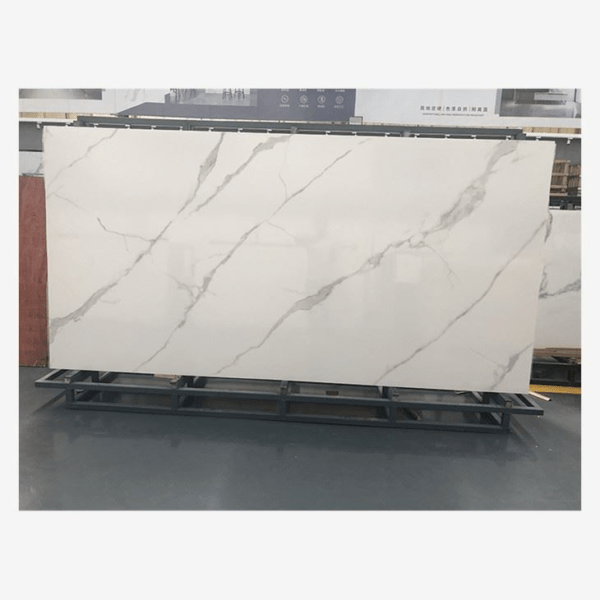
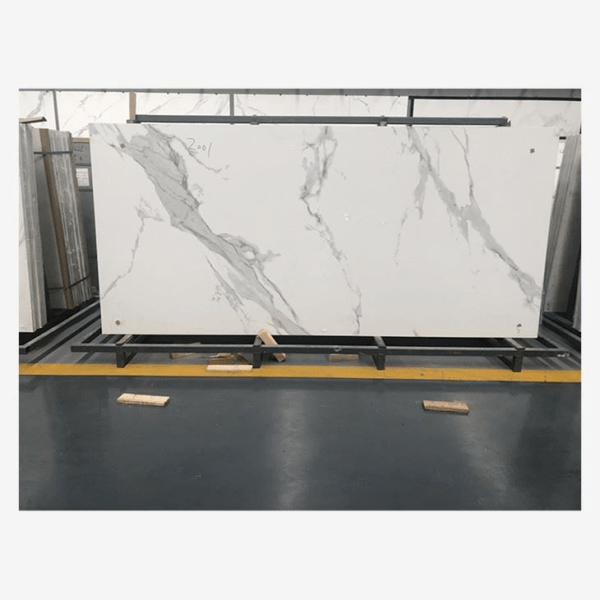
Commercial architects are increasingly prioritizing ultra-compact surfaces for large-scale developments as the material transition reaches a critical threshold in 2026. This year marks a significant shift where sintered stone commercial 2026 specifications have moved from early-adopter status to a mainstream commercial requirement, driven by the need for materials that combine high-performance durability with sophisticated aesthetic flexibility. As urban centers in the Asia Pacific region continue their rapid expansion, the procurement of these engineered surfaces is becoming a central pillar of modern architectural design.
Sintered Stone Commercial 2026: Mainstream Specification
Market analysts have observed that sintered surfaces are no longer confined to niche luxury applications but are now a standard requirement in high-traffic commercial environments. According to Dynamic Stone Tools, the material's ability to withstand extreme physical stress while maintaining its visual integrity has solidified its position in the 2026 specification landscape. Procurement teams for airports, shopping malls, and hotel lobbies are favoring these surfaces due to their low maintenance requirements and superior resistance to chemical agents, which reduces long-term operational costs for facility managers.
While the initial procurement cost remains higher than conventional materials, the life-cycle value proposition is increasingly defensible for large-scale developers. The manufacturing process, which involves subjecting natural minerals to extreme pressure and heat, creates a non-porous surface that outperforms traditional slabs in stain and scratch resistance. For commercial buyers, this translates to a surface that can survive heavy foot traffic and rigorous cleaning protocols without the need for periodic sealing or intensive restoration, a common drawback of more porous natural varieties.
Regional Growth Dynamics: Asia Pacific and Premium Markets
Strategic market roadmaps for the 2026-2034 period identify the Asia Pacific region, particularly China and India, as the primary engine for growth in the sintered stone sector. Data Insights Market reports that the rapid urbanization in these territories is driving massive demand for ultra-compact surfaces in both residential and commercial high-rises. In contrast, the North American and European markets are focusing on the premium segment, where designers are utilizing the material's aesthetic versatility to create seamless transitions between interior and exterior spaces.
The technical specifications of these surfaces allow for a wide range of applications that were previously challenging for natural stone. For instance, 12mm and 20mm slabs are being specified for heavy-duty countertops and laboratory surfaces, while 3mm and 6mm formats are utilized for lightweight wall cladding and cabinet faces. This versatility is on full display at industry events like Coverings 2026 in Las Vegas, where mineral surfaces are showcasing how they can be fabricated into complex edge profiles—such as the mitered apron or the waterfall edge—with extreme precision using CNC infrared technology.
Technical Innovations in Surface Treatments and Aesthetics
Leading manufacturers have introduced significant technical advancements to meet the demands of 2026 commercial projects. Neolith has implemented advanced digital printing technologies that allow for hyper-realistic natural stone aesthetics, accurately mimicking the complex veining of rare marbles without the inherent structural weaknesses of natural blocks. Simultaneously, Dekton has expanded its outdoor collections with enhanced UV resistance, ensuring that exterior facades maintain their color stability even in harsh solar environments. This makes sintered stone a reliable choice for ventilated facade systems where color consistency across thousands of square meters is mandatory.
Safety in high-traffic areas has also been addressed through innovative surface treatments. Lapitec has introduced specialized finishes designed to enhance grip and slip resistance, which is a critical specification for commercial flooring and wet zones. These treatments do not compromise the material's easy-to-clean nature, making it a hygienic choice for hospitality and healthcare environments. As the industry moves forward, the integration of these performance-driven features with highly realistic aesthetics is ensuring that sintered surfaces remain at the forefront of the 2026 building material sector.
Sources
- 1. SlabWise — "Sintered Stone Countertops Guide 2026"
- 2. Data Insights Market — "Sintered Stone Slab Strategic Market Roadmap: Analysis and Forecasts 2026-2034"
- 3. Dynamic Stone Tools — "The Future of Stone: Trends Shaping the Industry"
- 4. Dynamic Stone Tools — "Sintered Stone Guide: Dekton, Neolith, and Ultra-Compact Surfaces"
- 5. Lais Luz — "Coverings 2026 Las Vegas"