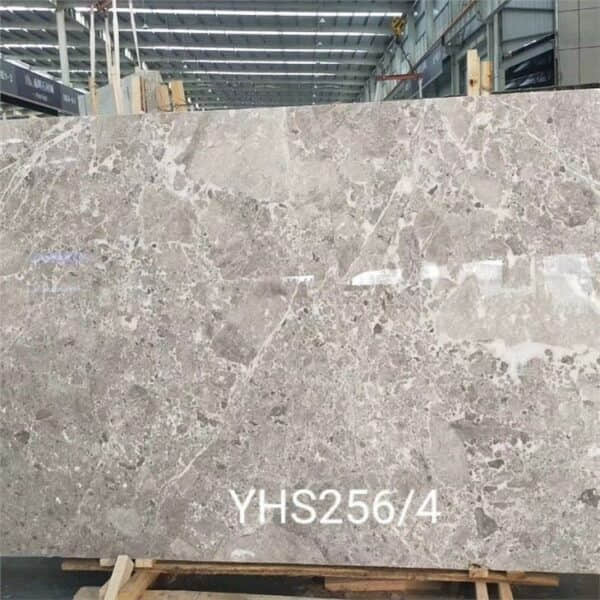
Natural stone defects and tolerances shape every procurement decision, from slab approval to cut-to-size fabrication and final container release. For buyers handling marble, granite, or quartzite packages, the real challenge is separating acceptable geological variation from defects that can affect structural performance, visual consistency, or installation yield. A clear inspection standard helps reduce disputes before the material reaches the job site.
Evaluating Natural Stone Defects and Tolerances on Site
The first step in inspection is distinguishing between a true defect and a natural feature. For example, geological veining, color movement, and fossil traces are normal in many limestones and marbles. These characteristics should not be treated as defects unless they compromise structural integrity or fall outside the approved sample range. In contrast, open fissures, unstable resin repairs, or cracks that run across load-bearing sections are legitimate concerns that should trigger rejection or recutting.
For commercial packages, the practical method is to align all slab inspections with the approved mock-up, shop drawings, and finish schedule. A vein that is acceptable on a book-matched wall panel may not be acceptable on a polished floor tile in a hotel lobby where visual continuity is critical. Tolerance review always has to follow the intended application rather than a generic pass-fail rule.
Thickness and Dimension Tolerances for CNC Processing
Dimensional tolerances affect both installation speed and final appearance. In most export-grade processing lines, calibrated natural stone tiles are controlled within a narrow thickness range, while slabs intended for CNC cutting must also maintain consistent flatness to avoid errors during edge profiling, sink cut-outs, or waterjet inlay work. If a 20mm slab varies by more than 1.5mm across the surface, the downstream fabrication risk increases significantly.
| Inspection Item | Typical Acceptable Range | Why It Matters |
|---|---|---|
| Thickness Variation | +/- 1.0 mm to 1.5 mm | Prevents lippage and CNC depth errors |
| Length / Width Tolerance | +/- 1.0 mm | Keeps joint widths consistent on site |
| Edge Straightness | Within project spec | Critical for tight dry joints and miter work |
| Surface Flatness | Minimal bowing or warp | Reduces installation and anchoring issues |
These tolerances are especially important when the project involves dry-lay approval before packing. Minor dimensional drift across a batch can create visible joint inconsistency once the pieces are assembled in sequence. That is why high-volume export orders should be checked at both the slab stage and the finished-piece stage.
Common Defects by Stone Category and How to Inspect Them
Each stone category carries its own risk profile. Marble often shows resin-filled fissures and shade variation, granite is more prone to edge chipping during processing, and some quartzites can contain unstable mineral pockets that become obvious only after polishing. Travertine adds another variable because the natural void structure may be left open, filled with resin, or filled with cement depending on the specification.
- Marble: Check for open cracks, weak resin lines, and inconsistent polishing near repaired areas.
- Granite: Focus on edge condition, corner impact damage, and consistency in flame or bush-hammer finishes.
- Quartzite: Review brittle zones, hidden seams, and any delamination near natural cleft structures.
- Travertine: Confirm whether voids are meant to remain open or require factory filling before shipment.
QC Checkpoints Before Container Loading
Final quality control should happen after fabrication, packing, and piece marking are complete. Buyers should confirm that each crate matches the bill of quantities, that replacement risk has been accounted for, and that repaired pieces have not been mixed into premium visible areas without prior approval. Photographic dry-lay records are useful for large wall sets, while spot measurement of cut-to-size pieces is essential for flooring or countertop packages.
Can natural veining be treated as a defect?
No. Veining, fossils, and tonal movement are part of the stone unless the approved sample or contract specification excludes them. A defect is something that affects performance, stability, or the agreed visual range.
What tolerance is acceptable for cut-to-size flooring?
That depends on the project specification, but most commercial flooring packages expect dimensional control around +/- 1.0 mm with calibrated thickness to limit lippage and keep grout joints even.
Should repaired slabs be rejected automatically?
Not always. Resin repairs are standard in many marbles and quartzites. The real question is whether the repair is stable, visually acceptable, and located in an area suited to the project requirement.
When should buyers inspect before shipment?
The safest checkpoint is after fabrication and before container sealing. That allows dimensional verification, shade review, and crate marking checks while replacements are still possible at the factory.
For large orders, attach the tolerance sheet and the visual approval standard to the purchase order itself. That makes the inspection process faster and gives both sides the same reference when a slab or fabricated piece is under review.


